
Torrance and Greater Los Angeles
Gate and Fence Installation in Torrance, CA
A gate or fence affects more than the appearance of a property. The layout determines how vehicles and pedestrians enter, how much privacy and visibility the property has, how the perimeter connects to the driveway or building, and whether future automation or access-control equipment can be added cleanly. G&G Garage Door installs driveway gates, pedestrian gates, and fencing for residential and commercial properties in Torrance and across the Greater Los Angeles area.
Projects can include new gate and fence systems, replacement of older installations, and coordination with compatible gate operators, keypads, remotes, intercoms, card readers, and other access-control equipment when those features are part of the approved scope. Detailed operator selection stays on the gate automation page rather than turning this installation page into an operator catalog.
Call 310-782-9000 or request a gate and fence installation consultation online.
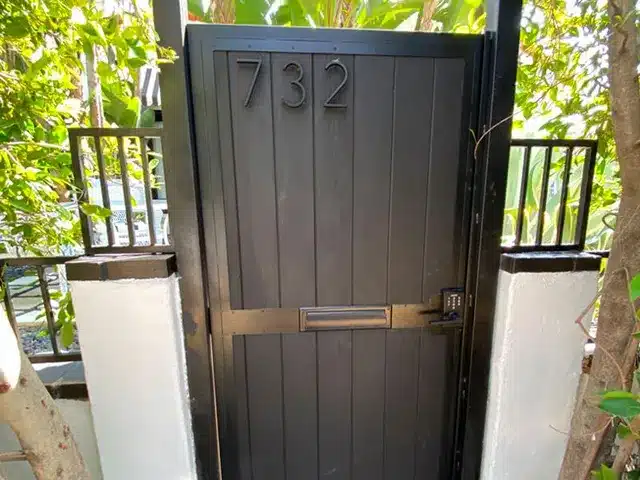
Gate Installation for Functionality and Accessibility
A successful gate or fence project starts with the site rather than with a catalog photo. G&G reviews the opening dimensions, driveway width, slope and grade, available space for gate travel, existing walls or columns, fence lines, pedestrian circulation, vehicle turning space, mounting surfaces, and the property's privacy and access goals.
Fence and gate requirements can vary with height, location on the lot, zoning, special overlays, pool or safety conditions, and whether electrical or structural work is involved. The City of Torrance directs permit applicants to obtain zoning clearance before submitting building-permit applications, and some fence, wall, and gate projects can require separate review or permits. Special overlays and parcel conditions can add review requirements, so a permit is not promised or ruled out from a generic fence height. Property owners should confirm current requirements for the specific address and scope.
Types of Gates We Install
Pass gate: A pedestrian gate supports walk-through access separate from vehicle traffic. Verify opening width, swing, latch, hinges, and the adjacent fence before selecting the material and hardware.
Double swing gate: Two-leaf swinging gates suit driveways with a usable swing arc and adequate grade clearance. Confirm vehicle turning space, posts, leaf weight, latching, and whether the opening will be automated.
Security gate: A sliding gate travels alongside the property line when suitable lateral space is available. Track-supported and cantilever designs have different site and footing needs; confirm the travel path, clearance, and operating equipment.
Other driveway layouts: Bi-fold or folding configurations can be considered where space or opening speed makes a conventional swing less practical. No single gate type is best for every property. A steep driveway, limited side room, landscaping, sidewalk conditions, columns, underground utilities, or the fence location can change which configuration is practical.
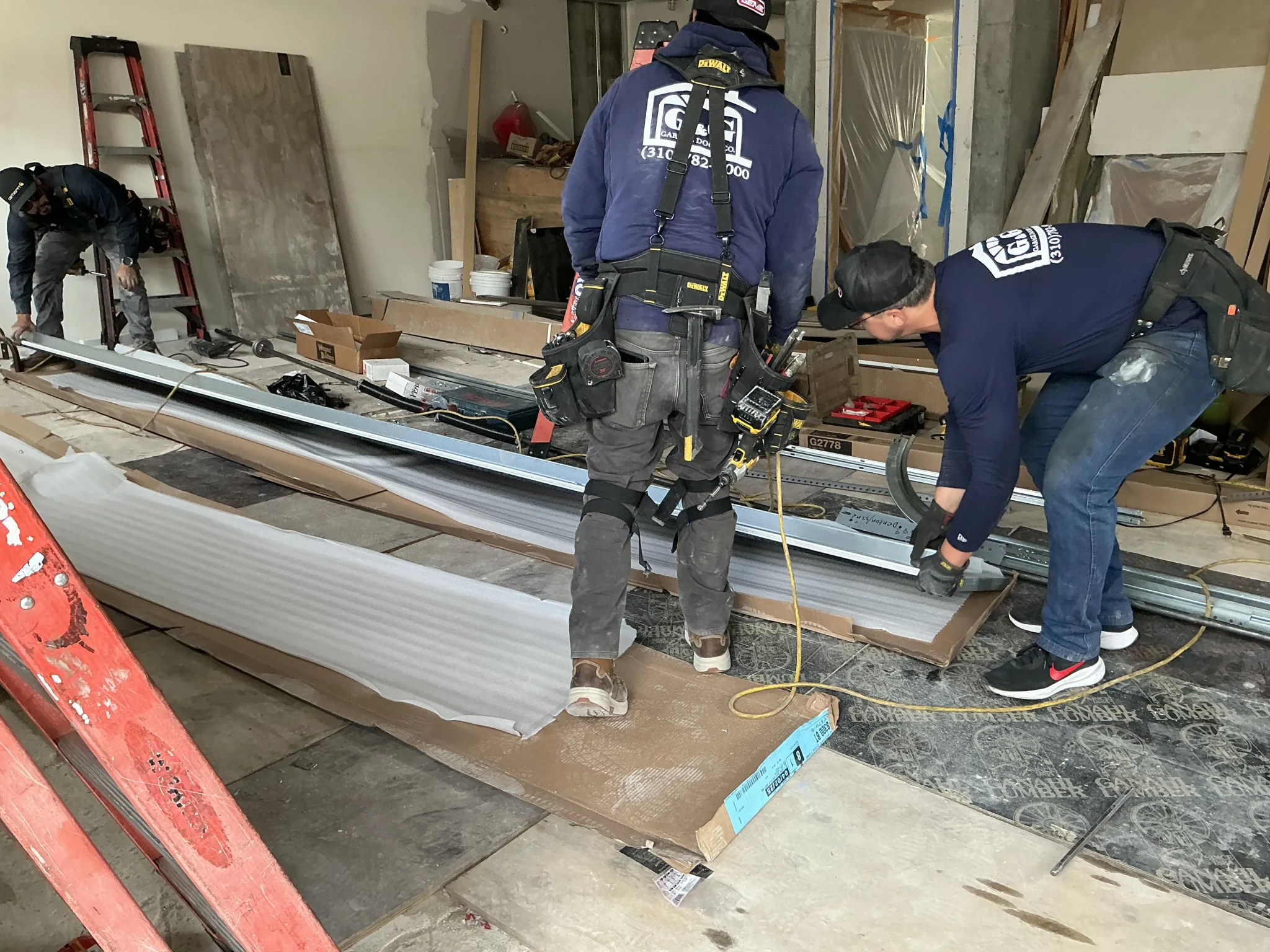
Choosing Gate Materials and Finishes
The right material depends on appearance, privacy, weight, corrosion exposure, maintenance expectations, and whether the gate will eventually be automated. Steel and ornamental iron can provide a strong, traditional or modern framework and can support a wide range of decorative patterns. Aluminum is lighter and corrosion-resistant but should still be selected for the opening and structural requirements. Wood can provide greater visual privacy and a warmer residential appearance, but the frame, weight, finish, and exposure to weather have to be considered. Glass or mixed-material designs should be treated as custom applications and evaluated for the gate frame, hardware, visibility, cleaning, and impact exposure.
A fence or gate does not prevent all unauthorized access. Plan layout, openings, hardware, and sightlines around the property, and compare solid and open designs for the privacy and visibility you want.
Manual or Automatic Gate Access
A driveway gate can be installed for manual operation or coordinated with a compatible automatic operator. Operator selection depends on the gate type, size, weight, travel, frequency of use, available power, and residential or commercial application. Access options can include remotes, keypads, intercom or telephone entry, card or credential readers, timers, vehicle-detection equipment, and mobile-connected controls when supported by the selected system. Those features should be treated as part of a complete access system rather than added without considering the gate and operator.
For automated vehicular gates, ASTM F2200 addresses gate construction and the active standard requires compliance with UL 325, which covers gate operators and related entrapment-protection devices. The gate, operator, controls, and safety devices have to be selected and configured for the specific application. This page summarizes those considerations. Detailed operator brands, sensors, loops, troubleshooting, and operator replacement belong on the gate automation page.
Fence Installation That Complements the Gate
G&G offers fencing for privacy, boundary definition, security, and coordination with driveway or pedestrian gates. Common material categories include wood fencing for privacy and a traditional residential appearance, vinyl fencing for lower-routine-finish privacy and perimeter applications, chain-link fencing where visibility and utility are priorities, ornamental iron or steel fencing for open visibility and architectural detail, and aluminum fencing for decorative and corrosion-conscious applications. Vinyl and chain-link should be confirmed as part of the approved scope for the property before they are specified.
Fence selection should account for the property line, grade changes, gate locations, post spacing, soil and footing conditions, visibility at driveways, local height and setback rules, and the way the fence connects to walls or structures. Matching the fence and gate from the beginning can avoid awkward transitions in height, finish, picket spacing, or hardware. Maintenance should match the material and local exposure rather than a maintenance-free promise.
Residential and Commercial Gate and Fencing Projects
For homes: The design should consider how residents, visitors, deliveries, emergency access, and vehicles will move through the property. If automation is planned, the gate geometry and structure should be suitable for an operator from the beginning rather than being retrofitted without evaluating the existing gate. Replacement becomes more relevant when the frame is badly distorted or corroded, repeated alignment problems continue, the posts or mounting structure are failing, the opening needs a different configuration, or the existing gate is not suitable for the desired access system. Detailed hinge, sag, track, and operator diagnostics belong on a dedicated repair page if one is published.
For businesses and managed properties: The project may require stronger posts and hardware, more frequent operating cycles, different access credentials, or coordination with parking, intercom, security, and property-management systems. The selected gate class, operator, controls, and safety devices should fit the actual use of the site rather than being copied from a residential driveway installation.
How Our Gate and Fence Installation Process Works
Site assessment and measurements
Review the opening, property layout, grade, travel space, fence line, mounting conditions, and access goals.
Select the layout and materials
Choose the gate type, fence material, privacy level, finish, hardware, and whether automation or access control is part of the project.
Confirm project requirements
Verify posts, footings, structural conditions, electrical needs, product specifications, and applicable permitting or zoning requirements.
Install, adjust, and hand off
Install the posts or supports, gate and fence sections, hardware, locks or latches, and approved access equipment. Then check alignment and movement, test locks and access devices, and verify operator and safety functions where they are part of the scope.
Frequently Asked Questions
Should I choose a sliding gate or a swing gate?
The answer depends on driveway grade, available side room, gate width, vehicle clearance, landscaping, columns, and how the entrance is used. A site assessment is the best way to determine which layout fits.
Can an existing driveway gate be automated?
Sometimes. The gate should first be checked for structural condition, smooth movement, alignment, hinge or roller condition, travel limits, and suitability for the required operator and safety devices.
What fence material requires the least maintenance?
Maintenance varies by product and environment. Vinyl and aluminum are commonly selected for lower routine finish maintenance, while wood and exposed steel or iron may require more periodic care. The choice should also consider privacy, security, appearance, and structural needs.
Do gate and fence installations require permits in Torrance?
Requirements depend on the property, height, location, zoning, overlays, structural work, and electrical scope. Torrance currently requires zoning clearance before building-permit submittal, so the specific project should be checked with the City before construction.
What access-control options can be used with an automatic gate?
Compatible systems can include remotes, keypads, intercom or telephone entry, credential readers, timers, vehicle-detection devices, and mobile controls. Availability and required safety devices depend on the selected operator and application.
Request a Gate and Fence Installation Consultation
Planning a driveway gate, pedestrian gate, fence, or compatible access system? G&G Garage Door can review the site and recommend a scope for your Torrance or Greater Los Angeles property. Call 310-782-9000 or use the consultation form to describe the project.
